

Renewing PMI Certificates is more than a routine compliance task, it is a strategic decision that reflects your commitment to professional excellence and long-term career growth. For certified project managers holding PMP®, PgMP®, PMI-ACP®, or other PMI credentials, renewal every three years ensures relevance in an ever-evolving project management landscape.
In today’s competitive job market, staying certified is not optional, it’s essential.
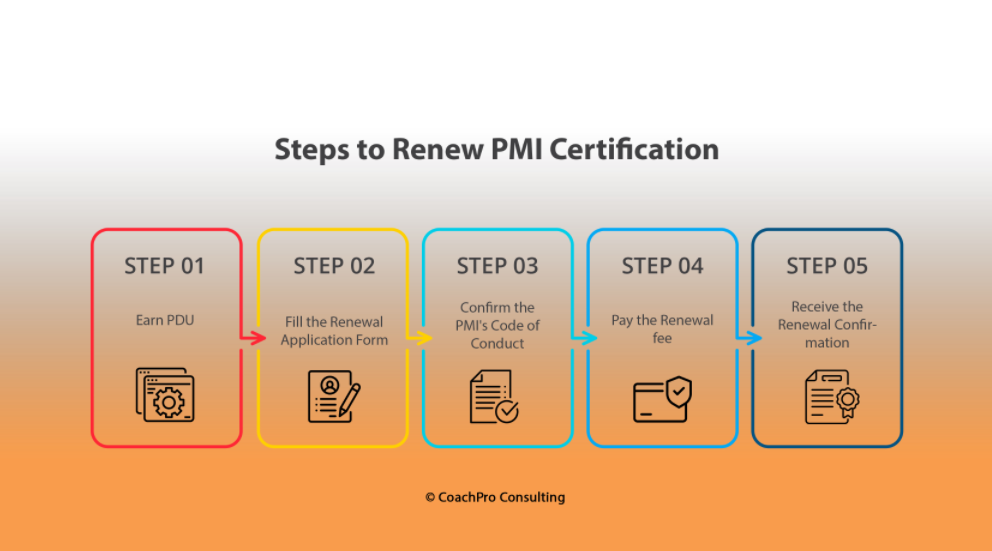
Renewing PMI Certificates involves earning Professional Development Units (PDUs) and paying a renewal fee every three years under PMI’s Continuing Certification Requirements (CCR) program. PDUs ensure that professionals continue learning, improving skills, and contributing to the profession.
This structured renewal process keeps your certification active and credible worldwide.
Project management is constantly changing. Agile practices, digital transformation, AI-driven tools, and hybrid methodologies are reshaping how projects are delivered.
By renewing PMI Certificates, you:
Employers prefer certified professionals who invest in lifelong learning—and PMI renewal proves exactly that.
Renewing PMI Certificates ensures your knowledge remains current. It validates that your skills match today’s industry expectations.
Active PMI credentials enhance your resume, improve job mobility, and increase leadership opportunities across industries.
PDUs encourage structured learning across Ways of Working, Power Skills, and Business Acumen, as defined by the PMI Talent Triangle.
Earning PDUs through webinars, workshops, and PMI events helps you connect with global professionals and expand your network.
Pros
Maintains Professional Credibility
Your certification remains globally valid and respected.
Flexible PDU Options
Earn PDUs through training, self-learning, volunteering, and mentoring.
Access to PMI Resources
Renewed members enjoy exclusive webinars, publications, and knowledge libraries.
Improved Job Confidence
Up-to-date knowledge boosts confidence in real-world project delivery.
Cons
Cost Involved
Training programs, events, and PMI renewal fees require financial planning.
Time Commitment
Balancing PDUs with work and personal life can be challenging.
Administrative Tracking
Maintaining PDU records and reporting them accurately requires discipline.
However, these challenges are manageable with structured learning platforms like CoachPro Consulting LMS, which simplifies PDU planning and tracking.
You can earn PDUs efficiently by:
PMI’s official CCR handbook provides detailed guidance.
Absolutely, if you are serious about long-term career success.
Renewing PMI Certificates signals:
It’s not just about keeping a credential active, it’s about evolving as a project leader in a dynamic world.
Renewing PMI Certificates is a powerful investment in yourself. While it involves effort, time, and cost, the long-term rewards far outweigh the challenges. From enhanced credibility and career growth to continuous learning and global recognition, renewal keeps you future-ready.
If you view your PMI certification as a career asset rather than a one-time achievement, renewal becomes a natural and rewarding step forward.
Excellent
thank you Sakil